Light · 4 min
Red light at dusk: the case for warmer evenings.
How a shift in evening wavelength can lower cortisol and ease the body toward rest.
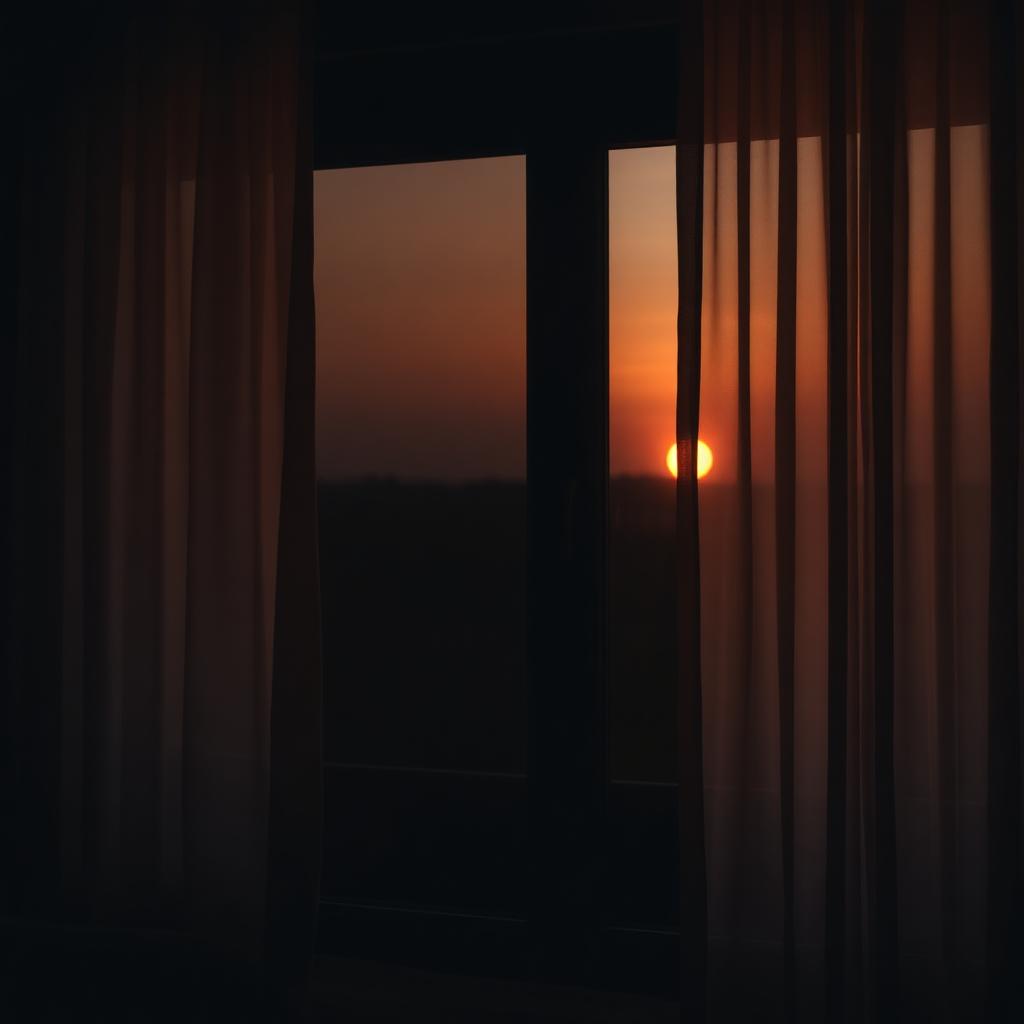
For most of human history, the light of evening was the light of fire. Warm, low, red. The eye read it as the end of the day, and the body responded in kind — cortisol falling, melatonin rising, the whole system turning inward.
Modern evenings are lit differently. Overhead LEDs, laptop screens, phone displays: nearly all of them shine in the blue-white register of noon. The body, quite reasonably, refuses to prepare for sleep.
Red and amber light in the evening does the opposite. Longer wavelengths pass through the retina without suppressing melatonin. Cortisol continues its downward slope. The nervous system begins to soften.
Two hours of warmer light before bed will not fix everything. But it is one of the most consequential small changes you can make.